

Your Website Isn’t Just Online, It’s Your Local Discovery Engine
-If you run a local business, your website isn’t just a digital card — it’s your main discovery engine. And with competition increasing every year, you need a strong local SEO strategy to appear on Google Maps, rank for “near me” searches, and attract consistent customers.
Below is a clear, actionable guide to help you rank higher — even if you’re just getting started.
📍 1. Optimize Your Google Business Profile (GBP)
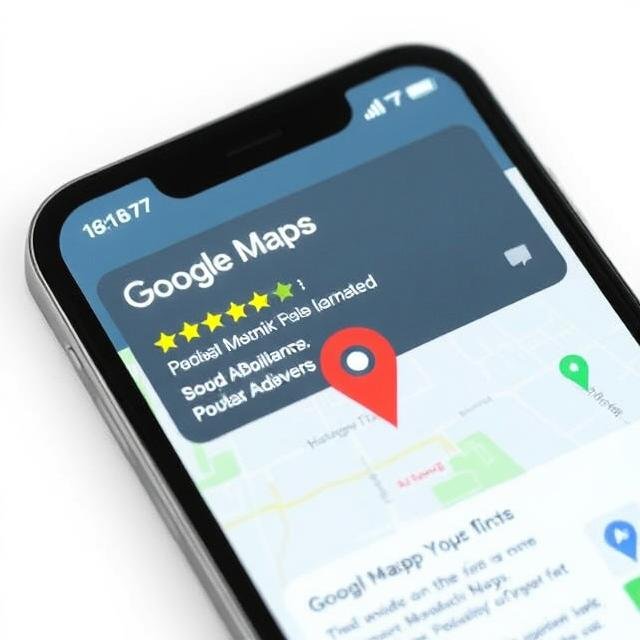
Your Google Business Profile is your #1 ranking factor for local searches. It must be complete, consistent, and active.
✅ Do this today:
- Add accurate business name, address, and phone number
- Upload high-quality photos (exterior, interior, staff, services)
- Select the correct primary category
- Add secondary categories
- Write a keyword-rich business description
- Turn on messaging
- Post weekly updates
Why this matters: Google prioritizes businesses that look active, trustworthy, and consistent. With a properly set up GBP, you can appear in the top 3 map results quickly — even before ranking organically.
⭐ 2. Get More 5-Star Reviews (Consistently)

Reviews are a direct ranking factor. They influence conversion more than anything else.
✅ Strategy:
- Ask happy customers immediately after service
- Use a QR code at checkout
- Automate review requests via SMS or email
- Always reply to reviews (Google counts this as fresh content)
Why this matters: Google trusts businesses that customers trust. And when your reviews grow, your rankings grow too.
🏙 3. Improve On-Page SEO for Local Keywords
Your website must tell Google where you are and what you do.
✅ Add these to your pages:
- City + service in H1 (e.g., “Plumber in San Diego”)
- City + service variations in H2s
- Location-specific meta title & description
- Your address in the footer
- Local business schema (structured data)
Why this matters: When your page aligns with local search intent, Google sees your site as a strong match and ranks it faster.
📜 4. Build Local Citations (Consistency Is Key)

Citations are online mentions of your business information (NAP: name, address, phone). When they match your Google listing exactly, you rank higher.
✅ Submit to:
- Yelp
- Bing Places
- Apple Maps
- YellowPages
- Local niche directories
Why this matters: Google uses citations to confirm you’re real, local, and reliable. Even 10–20 strong citations can boost map rankings.
📝 5. Create Location-Based Content (Very Powerful)

Local businesses rarely produce content — and that’s why the ones who do win quickly.
✅ Create:
- “Service + City” blog posts
- City landing pages
- “Best X in [City]” guides
- FAQ pages answering local concerns
- Before/after case studies with locations
Example:
“Best Roof Repair in Austin: Costs, Process, and Local Advice”
“How We Fixed a Roof in East Austin — Full Case Study”
Why this matters: Google rewards hyper-local content because it matches exact local search queries.
⚡ 6. Improve Website Speed & Mobile Experience

Your local audience is searching on mobile — and Google knows it. Thus, mobile performance is a ranking factor.
✅ Do this:
- Compress images
- Use fast hosting
- Remove heavy scripts
- Enable caching
- Use a clean WordPress theme
Why this matters: Fast sites get higher rankings, more conversions, and lower bounce rates — especially on mobile devices.
🔗 7. Add Local Backlinks (Your Secret Weapon)

Backlinks are still the strongest ranking factor. However, for local SEO, local relevance beats big authority.
✅ Build links from:
- Local blogs
- Local news sites
- Chamber of commerce directories
- Sponsoring local events
- Partnerships with nearby businesses
Why this matters: A single local backlink can outperform 50 random low-quality links.
📊 8. Track Local SEO Performance Weekly
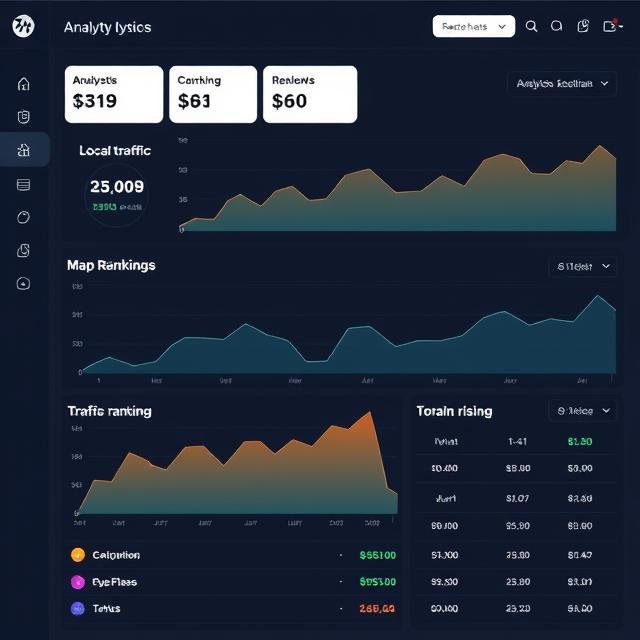
Consistent improvement requires consistent monitoring.
✅ Track:
- 📍 Google Maps Rankings
- 📈 Organic Traffic
- 📞 Calls From Google
- ⭐ Review Growth
- ⚡ Page Speed
- 🔑 Keyword Positions
- 👆 Click-Through Rates (CTR)
Why this matters: Small improvements compound over time — and SEO grows stronger every month if you track it.
Final Takeaway
Improving local SEO isn’t complicated. It’s a process:
✅ Optimize Google Business
✅ Collect more reviews
✅ Strengthen on-page content
✅ Build citations
✅ Create local-focused content
✅ Improve speed
✅ Earn local backlinks
✅ Track weekly progress
If you follow this system consistently, your business will dominate “near me” search results — and attract customers every single day.
And discover how marketing strategy and storytelling can drive real results for your business!