

🎯 1. Start With a Laser-Sharp Goal (No Wandering Allowed)
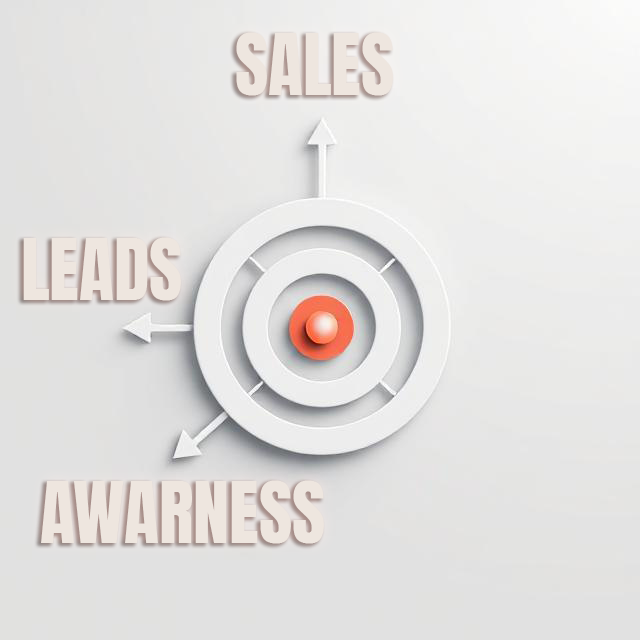
Ask yourself: What must this campaign achieve in 30 days?
✅ Possible goals:
- Boost sales of [Product X]
- Grow your email list by 20%
- Win back abandoned carts
- Promote a launch with 100 pre-orders
- Increase average order value (AOV)
Pro tip: Write your goal on a sticky note. Stick it above your desk. Every task must serve this goal—or it dies.
🧑🎓 2. Build Your Buyer Persona (Marketing for Humans, Not Ghosts)
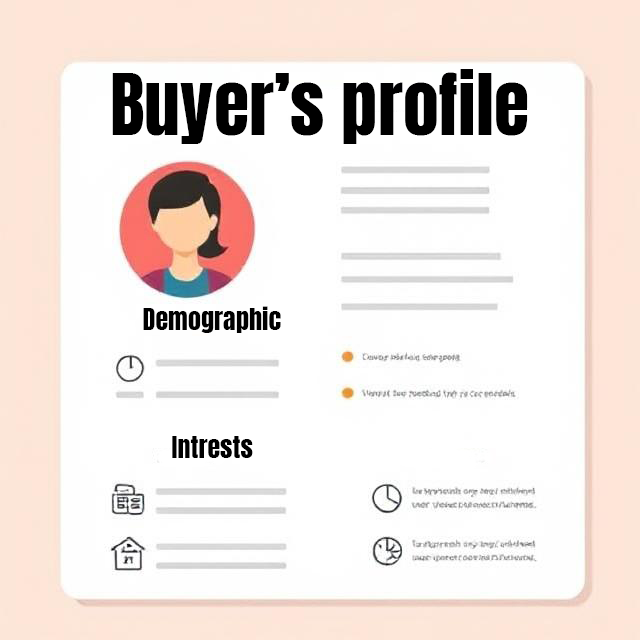
E-commerce wins when you speak to one person, not “everyone.”
Define your ideal buyer:
- Their #1 problem (e.g., “acne-prone skin that reacts to everything”)
- How your product fits into their life (e.g., “gentle, non-toxic skincare”)
- What makes them hesitate (e.g., “afraid of another failed product”)
- What content they consume (e.g., “short skincare hacks on TikTok”)
- Who they already trust (e.g., “Dr. Jart+ or The Ordinary fans”)
Example for a sustainable coffee brand:
“Young professionals aged 25–35 who care about fair-trade ethics but need caffeine to survive morning meetings.”
🎯 3. Pick 2 Platforms Max (Focus = Profit, Noise = Burnout)

You’re a small team. Stop scattering energy across 7 platforms. Pick two where your buyer already lives.
Best platforms for e-commerce:
- 📸 Instagram: Visual selling + Reels + Shopping tags (ideal for fashion, beauty, home goods).
- ⚡ TikTok: Viral potential + short-form discovery (perfect for products with “wow” moments).
- Pinterest: High intent for women-heavy niches (fashion, beauty, décor planning).
- 👨🦳 Facebook: Retargeting powerhouse + mature buyer base (ages 25+).
Pro tip: Test Instagram + TikTok for 30 days. If they don’t deliver, switch to Pinterest + Facebook.
🧩 4. Build Your Content Framework (The 4-Part Mix That Sells)

Your feed can’t just be ads. Balance with this formula:
A. Educational (30% of posts):
“5 signs your winter boots are killing your ankles”
“How to build a capsule wardrobe for remote work”
B. Entertaining (30% of posts):
“POV: You buy our protein powder and suddenly you’re bench-pressing grocery bags.”
“Things in my kitchen that just make sense (brand edition).”
C. Social Proof (20% of posts):
- Customer unboxing videos
- Before/after transformations
- UGC contests with a prize
D. Direct Selling (20% of posts):
- “Flash sale: 48 hours only” Stories
- Product spotlight carousels
- Limited-time bundle offers
Pro tip: Use Canva’s rookie templates—swap their text, keep the layout.
📸 5. Create Visuals That Stop the Scroll (1-Second Rule)

Your posts have 1 second to hook eyes. Make it count:
✅ Show the product in real life (not just white background).
✅ Add hands, faces, or lifestyle scenes.
✅ In videos, show benefits in the first 2 seconds (no fluff).
✅ Use 1–4-word text overlays (e.g., “The jacket that replaced my thermostat”).
Example: A sustainable water bottle brand posts: “Left my jacket at the gym? No problem.” (Show video of someone in a hoodie sipping the bottle.)
🔄 6. Build Your Campaign Funnel (Where Most Brands Fail)
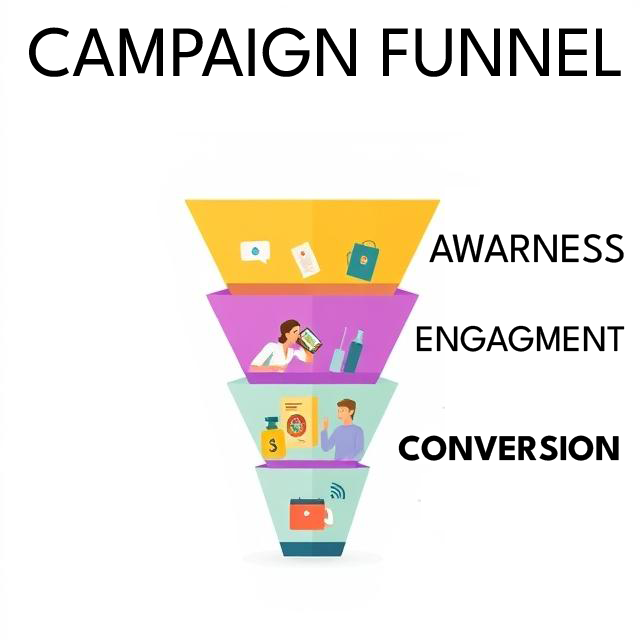
Stop posting randomly. Structure your campaign like this:
Step 1: Awareness (Cold Audiences)
- Post Reels/TikToks solving tiny problems.
- Use “meme-style” hooks (e.g., “When your boss says ‘quick meeting’ but you’ve already brewed coffee #2”).
Step 2: Engagement (Warm Audiences)
- Carousel posts: “5 ways to style our jeans”
- Polls: “Which color should we restock first?”
- Behind-the-scenes: “Meet the team who hand-paints every mug.”
Step 3: Conversion (Hot Audiences)
- Scarcity: “Last chance to grab the spring collection.”
- Bundles: “Buy 2 face masks, get a free lip balm.”
- Retargeting ads: “You viewed this item—here’s 10% off.”
Step 4: Loyalty (Turn Buyers into Repeat Customers)
- Automated email: “Your favorite product is back in stock!”
- VIP offers: “Spend $200, get free refills for a year.”
🔁 7. Retargeting Ads: The Money Maker (Why 90% of Buyers Need 4 Touches)
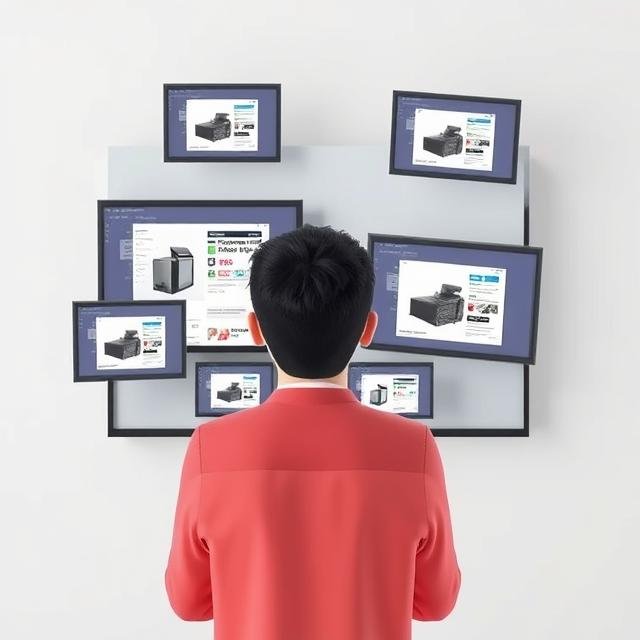
Retargeting = highest ROI ads. Period.
Who to target:
- Website visitors who didn’t buy.
- Abandoned cart users (show the exact product).
- Video watchers (95%+ watch time).
- Engaged followers (profile visits, saves, DM interactions).
Why it works: People rarely buy on first touch. They need 4–12 interactions. Retargeting keeps you visible—without paying for cold traffic each time.
📊 8. Track Metrics That Matter (Ignore Vanity)

Stop obsessing over likes. Track these instead:
✅ Add-to-cart rate (higher than 2% = good)
✅ Cost per acquisition (CPA)
✅ Return on ad spend (ROAS ≥3 = profitable)
✅ Repeat purchase rate (aim for 25%+).
Pro tip: Use Google Analytics 4 + Meta Pixel—connect them to your dashboard so you see exactly which posts drive money.
🚀 9. 30-Day Campaign Rhythm (Test, Scale, Repeat)
Follow this weekly rhythm:
Week 1: Test 3 post styles + 2 ad creatives.
Week 2: Double down on the top-performing 1 post style.
Week 3: Launch retargeting ads + flash sale.
Week 4: Push email re-engagement + restock alerts.
🔄 10. The Entire System (Copy This)
- Content attracts (educational + entertaining posts).
- Retargeting engages (warm audiences see you everywhere).
- Urgency converts (flash sales, bundles, scarcity).
- Emails re-engage (win back 30% of one-time buyers).
This is the exact system used by Shopify’s top 10% stores.
And discover how marketing strategy and storytelling can drive real results for your business!